
Seconds Count and the Hidden Cost of the Trophy Shot
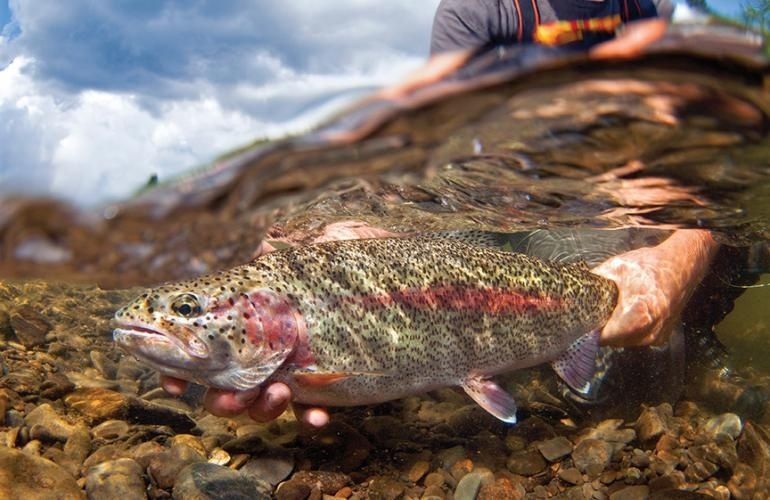
Along a cold river such as the Ogmore, a landed trout can look perfectly composed for the few seconds needed to lift it into the breeze. The photograph may show bright flanks, a firm tail and clear water sliding over stones behind the angler. Yet the fish is not simply waiting to be returned. Its respiratory system, circulation and muscles are already responding to capture, and the familiar trophy pose can add a second, avoidable crisis.
Brief air exposure creates physiological changes that are not visible beneath the scales. Gill tissues lose the water support that keeps their delicate exchange surfaces open, while the exhausted fish is unable to repay its oxygen debt normally. This is not a matter of ethical scolding. It is a practical question of biomechanics and timing. Anglers who prepare their tools, keep fish submerged and shorten every handling step can turn sound science into a simple streamside routine. For those seeking detailed guidance on fish handling practices, the central lesson is clear: the clock begins when the fish leaves the water.
What Happens When Gill Filaments Meet Open Air
Fish gills are highly efficient because they are built for water, not for unsupported exposure to air. Each gill arch carries filaments lined with fine lamellae, where blood and flowing water pass close to one another. Their arrangement supports counter-current exchange, allowing oxygen to move into the blood while carbon dioxide moves out. A comparative review of respiratory structures in animal gas exchangers explains how closely respiratory design is tied to the surrounding medium.
In the water column, hydrostatic support helps keep the thin lamellae separated and exposed to fresh, oxygenated water. Once a fish is lifted, surface tension and gravity alter that arrangement. Wet respiratory surfaces can adhere together, and unsupported lamellae may collapse or clump. The result is a rapid reduction in the area available for gas exchange. A fish may still appear strong in the angler”s hands, but its gills are no longer operating under normal conditions.
Air exposure also interrupts the continuous flow that carries oxygen across the gill surface. The blood continues circulating, and the muscles continue demanding oxygen after the fight, but the respiratory exchange system has been sharply compromised. Useful handling principles include:
- Keep the fish in the water while removing the hook whenever the hook position allows.
- Use a knotless, rubber-coated net that supports the fish without abrading fins or mucus.
- Prepare pliers, cutters and a camera before landing the fish.
- Do not assume that a fish swimming away has fully recovered, since delayed effects can occur after release.
Research summarized by the Ontario government notes that catch and release can cause exhaustion, acidosis, impaired gas exchange and cardiovascular stress, with outcomes influenced by species, temperature, hook location and handling time. The practical implication on a rocky bank or beneath a low stone bridge is straightforward: a fish held in a submerged net remains in its respiratory environment, while a fish held in the air is immediately losing the support its gills require.
Blood Chemistry and the Invisible Lactic Surge
The fight itself is a demanding burst of exercise. A hooked trout or bass accelerates, changes direction and braces against current, often using anaerobic metabolism when oxygen delivery cannot keep pace with muscular demand. That effort produces lactate and other indicators of metabolic disturbance. The fish may appear vigorous at the net, but its internal reserves can be severely depleted, particularly when light tackle or strong current has prolonged the struggle.
After landing, recovery requires oxygen. The fish must restore normal blood chemistry, clear metabolic by-products and re-establish stable cardiac and muscular function. Air exposure compounds the problem by denying repayment of this oxygen debt at the exact point when recovery is most urgent. Reviews of bass physiology have found that exhaustive exercise and air exposure together delay recovery, while repeated handling can add further stress even when the fish ultimately survives.
| Handling condition | Likely physiological effect | Practical response |
|---|---|---|
| Short fight with immediate submerged release | Stress response remains limited and recovery is usually faster | Keep the fish in the water and release promptly |
| Long fight in warm or fast water | Greater oxygen debt, lactate accumulation and exhaustion | Use stronger suitable tackle and provide gentle in-water recovery |
| Brief air exposure after an exhausting fight | Delayed cardiac and metabolic recovery | Complete unhooking beside or inside the submerged net |
| Extended air exposure or repeated lifting | Greater risk of acidosis, impaired coordination and delayed mortality | Cut the line on a deeply hooked fish when removal would cause more injury |
One Illinois catch-and-release guide reports that fish held out of water for 30 seconds may require around two hours for cardiac recovery, while three minutes can extend recovery to roughly four hours. These figures are not a universal timetable for every species, river or temperature, but they show why “just a quick picture” is not physiologically neutral. The fish can swim from the bank while still carrying a substantial internal burden.
Delayed mortality also matters. A review of 118 studies involving more than 120,000 fish found average catch-and-release mortality of 16.2 percent, although rates varied considerably by species and conditions. Survival therefore cannot be judged only by the first kick after release. Reducing fight time, air exposure, hook injury and warm-water stress addresses both immediate welfare and the less visible effects on feeding, growth, disease resistance and reproduction.
Submerged Routine for Seamless Hook Removal
Good release practice begins before the cast. A rubberized net should be wet and opened where it can be reached without stepping across unstable stones. Long-nosed pliers, forceps, a hook cutter and a measuring mat should be attached or placed within immediate reach. Barbless hooks, single hooks and tackle strong enough to land the target species promptly all reduce the time a tired fish spends under pressure. Official fish handling guidance also recommends wet hands, horizontal support and avoiding contact with the gills, eyes and jaw.
Once the fish is in the net, keep its head facing upstream where current is gentle enough to prevent it being pushed against the mesh. The net should remain below the surface, with the fish supported rather than held tightly. The following sequence works well in clear pools, shallow runs and carefully selected margins:
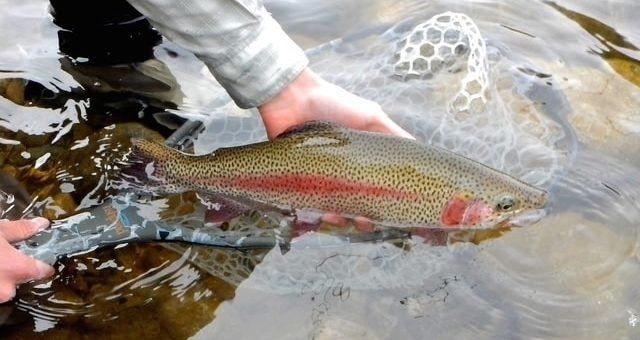
- Guide the fish into the wet, knotless net and immediately submerge the mesh.
- Position the fish head upstream, away from turbulent flow and loose stones.
- Wet both hands before touching the fish, and avoid squeezing the body or covering the gill plates.
- Locate the hook and use long pliers to back it out with the smallest possible movement.
- If the hook is deeply embedded, near the gills or causing serious bleeding, cut the line close to the hook rather than extending the struggle.
- Support the fish horizontally in the water, allow it to regain balance, and release it when it swims away under its own power.
The surface mucus layer is part of the fish”s protection against abrasion, pathogens and changes in the surrounding water. Dry hands, rough netting and gravel can remove it, especially when an angler grips a fish for a photograph. A submerged rubber net reduces the need for direct contact and helps prevent the fish from twisting onto the bank. Where a photograph is genuinely important, the camera should already be ready, the fish should remain horizontal and the exposure should be measured in seconds rather than minutes.
The Illinois catch-and-release guide recommends preparing dehooking tools in advance and leaving deeply embedded hooks in place after cutting the line when removal would cause greater damage. This is a sensible option for a fish that has reached the net exhausted. The goal is not a perfectly clean tackle setup. The goal is a living fish returned with the least additional injury.
Thermal Thresholds and Summer Flow Guidelines
Warm water leaves less oxygen available for respiration while increasing the oxygen demand of an active fish. That combination reduces physiological resilience before the angler even reaches for the net. Above about 65 degrees Fahrenheit, or 18 degrees Celsius, many cold-water species become increasingly vulnerable, especially after a long fight in low flow. Shallow margins warm quickly under summer sun, while deeper riffles and shaded runs may offer better conditions, though local measurements matter more than assumptions.
Temperature should therefore shape the day”s decisions. Carrying a small stream thermometer is worthwhile, particularly when fishing tributaries, upland pools or low flows near the estuary. If water is unusually warm, shorten the fight, avoid unnecessary photographs and consider stopping altogether when local fisheries guidance advises restraint. Useful summer habits include:
- Check water temperature before fishing and again if conditions change sharply.
- Fish during cooler morning periods rather than the warmest part of the afternoon.
- Keep the net and fish submerged, especially in slow or shallow water.
- Use tackle capable of bringing the fish in quickly.
- Release native fish immediately when signs of heat stress or poor balance appear.
Seasonal restraint protects more than individual survival. Warm-water handling can affect spawning readiness, feeding and recovery across a population. In a river shaped by shaded woodland, exposed pasture, stone crossings and changing summer flows, conditions may differ over a short distance. Watching the water and measuring it directly are simple ways to match fishing pressure to what the fish can safely tolerate.
Keep Them Wet to Protect the Current
Laboratory physiology becomes useful only when it becomes muscle memory. Wet the net before the first cast. Keep cutters and pliers within reach. Land the fish efficiently, leave it inside the submerged mesh, remove the hook without lifting it into the air and release it facing quiet, oxygenated water. These steps require little additional time, yet they address the main sources of avoidable harm: gill collapse, oxygen debt, mucus loss, rough handling and prolonged exhaustion.
The most satisfying release is often the quietest one. A wild fish steadies in the current, flexes its body and disappears toward deeper holding water beneath a shaded bank or downstream of a stone crossing. That immediate recovery is not a guarantee of long-term survival, but it is a strong sign that the release has been conducted carefully. For anglers who value the living river as much as the catch, keeping fish wet is a practical commitment to the Ogmore”s future, preserving healthy runs, resilient native stocks and the chance for generations of careful anglers to feel the same current tighten a line.